
History of the Department of “Kazakh Language and Literature”
At the Zhambyl Pedagogical Institute, the specialty “Kazakh Language and Literature” was established on August 23, 1989, by order No. 217 of the institute.
History of the Department
History of the Department of Kazakh Language and Literature
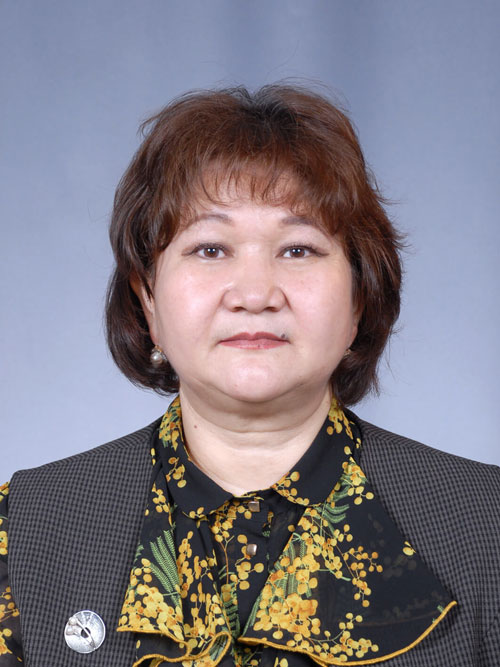
The specialty “Kazakh Language and Literature” was established at the Zhambyl Pedagogical Institute on August 23, 1989, by Order No. 217 of the institute. Around 35 people have worked in the department. Among them were the founders of the Kazakh Language Department: Ph.D., Associate Professor Kapash Tasbolatuly Tasbolatov, Ph.D., Associate Professor Rakhym Aitbayuly Sadikbekov, Ph.D., Associate Professor Altay Ashenuly Bayteliev, senior lecturers M.A. Aitzhanova, S. Ismatova, A. Turarova, B. Murtazaeva, A. Bodikova, T. Mukashev, S. Bayseitova, Zh. Mombekov, and others. The department was headed over the years by the following scholars: R.A. Sadikbekov (1989–1993), A.A. Bayteliev (1993–1999), M. Myrzakhmetuly (1999–2000), A.N. Turarova (2000–2010), L.T. Makulova (2010–2011), K.M. Karymbayeva (2011–2013).
At the Faculty of Philology of the Taraz State Pedagogical Institute, the Departments of Kazakh Language and Kazakh Literature were established on September 1, 2000.
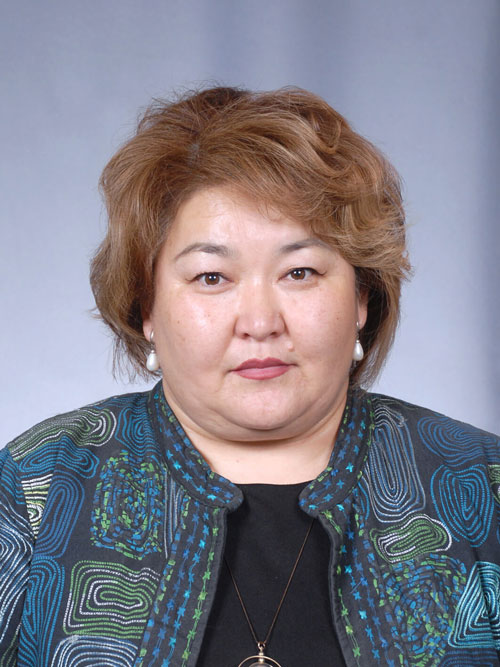
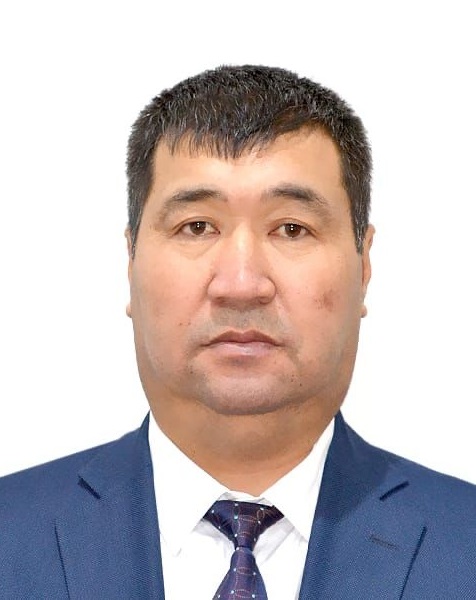
From the 2013–2014 academic year, the departments “Kazakh Language,” “Kazakh Literature,” and “Practical Kazakh Language” were merged and reorganized as the Department of Kazakh Philology. Since the 2013 academic year, the Department of Kazakh Philology was created and later renamed the Department of Kazakh Language and Literature. This department is currently headed by T.R. Abdykadirova, a scholar of Alash studies, recipient of the “Y. Altynsarin” medal, and an outstanding lecturer, Ph.D., Professor. At present, about 25 professors and lecturers work in the department.
Partners
Development of the University’s Scientific Cooperation
Partnerships have been established with the Department of Language Development of the Akimat of the Zhambyl Region, the Zhambyl TV channel, regional and city education departments, as well as with several schools.
Graduate model
-
Graduate Model:
The 6B01700 – "Training of Teachers of Kazakh Language and Literature" program represents a comprehensive profile that encompasses professional, personal, social, and research skills. The graduate model consists of the following key components:
- Professional Competencies:
- • Fundamental Knowledge: In-depth knowledge of the theory, history, and grammar of the Kazakh language, as well as the foundations of literary studies and cultural context. • Teaching Methodology: Proficiency in modern teaching methods, pedagogical technologies, and information and communication tools. • Assessment Skills: Ability to evaluate students' knowledge and skills and provide feedback.
- Personal Qualities:
- • Communication Skills: Ability to express thoughts clearly and effectively, engage in dialogue, and actively listen. • Critical Thinking: Capability to analyze, interpret, and evaluate literary texts. • Creativity: Generation of new ideas and development of innovative projects.
- Social Competencies:
- • Emotional Intelligence: Ability to manage one's emotions and understand the feelings and needs of students. • Teamwork: Capacity to work collaboratively and interact effectively with colleagues. • Social Responsibility: Active participation in public life, promotion of cultural diversity and multilingualism.
- Research Skills:
- • Research Activity: Conducting scientific research in the field of Kazakh language and literature, analyzing results, and applying them in practice. • Participation in Conferences: Active engagement in scientific events and experience exchange.
- Professional Ethics:
- • Ethical Standards: Adherence to professional standards in teaching, with respect for students' cultural and linguistic diversity.
Conclusion
A graduate of the 6B01700 program must meet modern educational standards, possess a high level of professional training, demonstrate creative thinking, and uphold social responsibility. They serve as a role model for students in learning the Kazakh language and literature, fulfilling the role of a teacher who nurtures and enhances their creative potential.